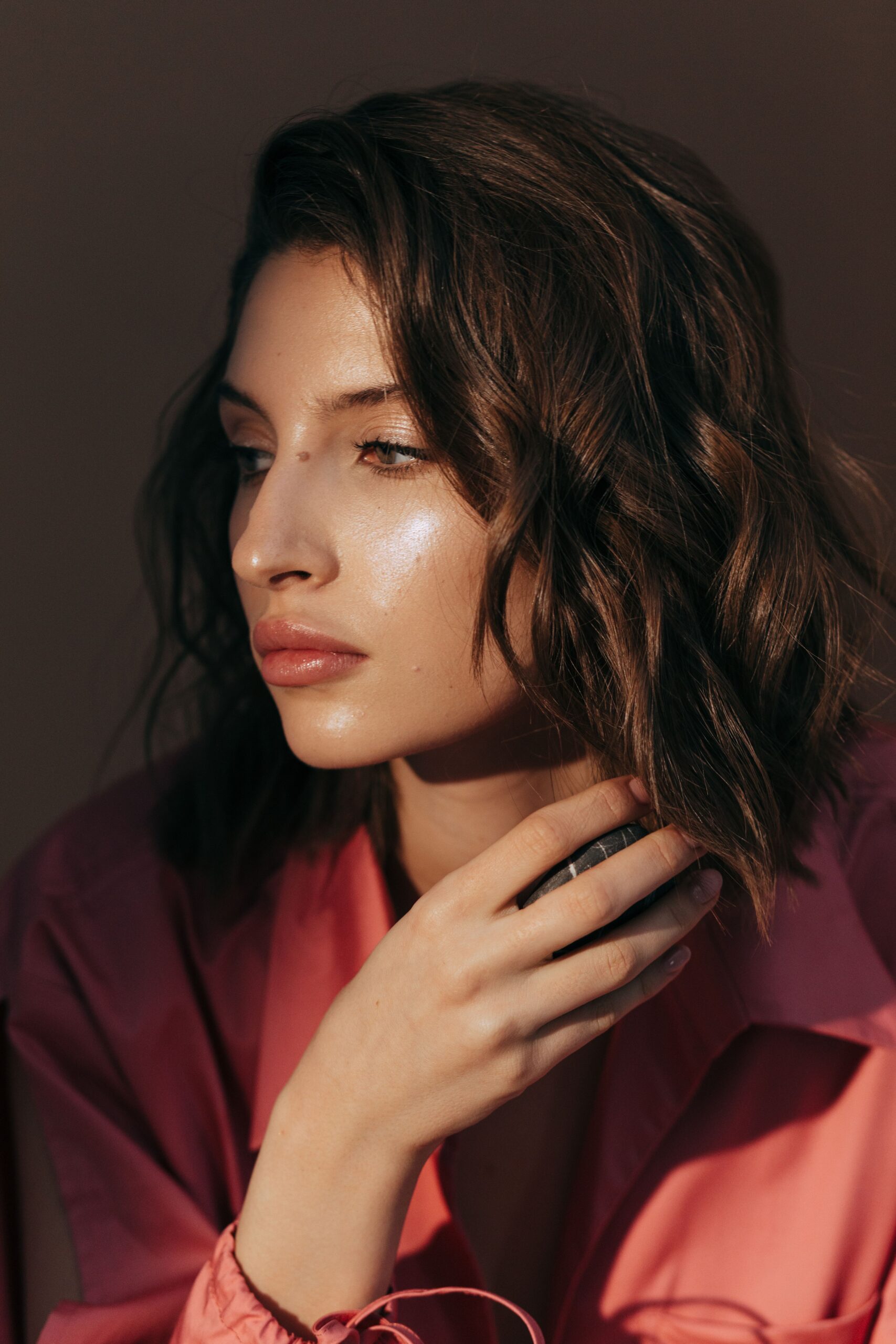
A tight, itchy scalp with visible flakes is a common complaint, and Vogue has published a guide with advice from four board-certified dermatologists on how to restore moisture. The outlet’s six-step approach focuses on gentle care rather than aggressive treatment.
Why the scalp gets dry
Dr. Hadley King explains to Vogue that dry skin is marked by water loss and a disrupted barrier, and the scalp is no different. It needs water-binding ingredients and barrier-supporting lipids. Dr. Morgan Rabach points to overwashing, hot showers, heavy use of hot tools and harsh chemical processing as contributing habits. Eczema, seborrheic dermatitis, cold weather and low humidity can also play a role. Dr. Y. Claire Chang adds that sebum production can fall with age and during hormonal changes.
The six steps
First, wash with a gentle, non-medicated shampoo containing ingredients such as glycerin, ceramides or hyaluronic acid. Dr. King suggests Nutrire S.1 Calm Shampoo, while Dr. Alexis Stephens likes Vanicream Shampoo for Sensitive Skin, which omits common irritants such as fragrance and essential oils.
Second, go easy on exfoliation. Dr. King says a dry scalp generally does not need aggressive scrubbing, and significant scale should be checked for seborrheic dermatitis or psoriasis.
Third, apply a moisturizing scalp treatment after shampooing, parting the hair into sections. Options named include Kérastase Nutritive Hydrating Scalp Serum and The Ordinary Natural Moisturizing Factors + HA for Scalp.
Fourth, condition from the midlengths to the ends. Dr. Stephens recommends CeraVe Gentle Hydrating Conditioner, noting it suits all curl patterns, and Vogue also likes Nécessaire The Conditioner.
Fifth, protect the scalp from UV rays with hats and scalp-friendly sunscreen, such as Sun Bum’s SPF 30 scalp and hair mist or Coola’s scalp spray sunscreen. This matters most for people with thinning hair.
Sixth, avoid very hot water. Dr. Chang advises lukewarm water and short showers, and suggests limiting buildup from heavy oils, dry shampoos and styling products.
Dry scalp versus dry hair and dandruff
Dr. Stephens stresses that dry hair does not automatically mean a dry scalp, particularly with curly and coily hair, where natural oils travel less easily down the strands. Dr. Chang notes that flaking is not always dryness: dandruff is generally a mild form of seborrheic dermatitis linked to Malassezia yeast, scalp oils and inflammation, and needs different treatment.
Ingredients and when to see a doctor
Dr. Rabach lists hair dyes, fragrance and certain alcohols as possible culprits. Dr. Stephens adds that essential oils can trigger irritation, salicylic acid may worsen dryness if overused, and a “sulfate-free” label does not guarantee gentleness. Persistent itching, redness, thick scales, crusting, heavy flaking or pain warrant professional evaluation, Dr. King says.
Source: vogue.com
Image: vogue.com
